
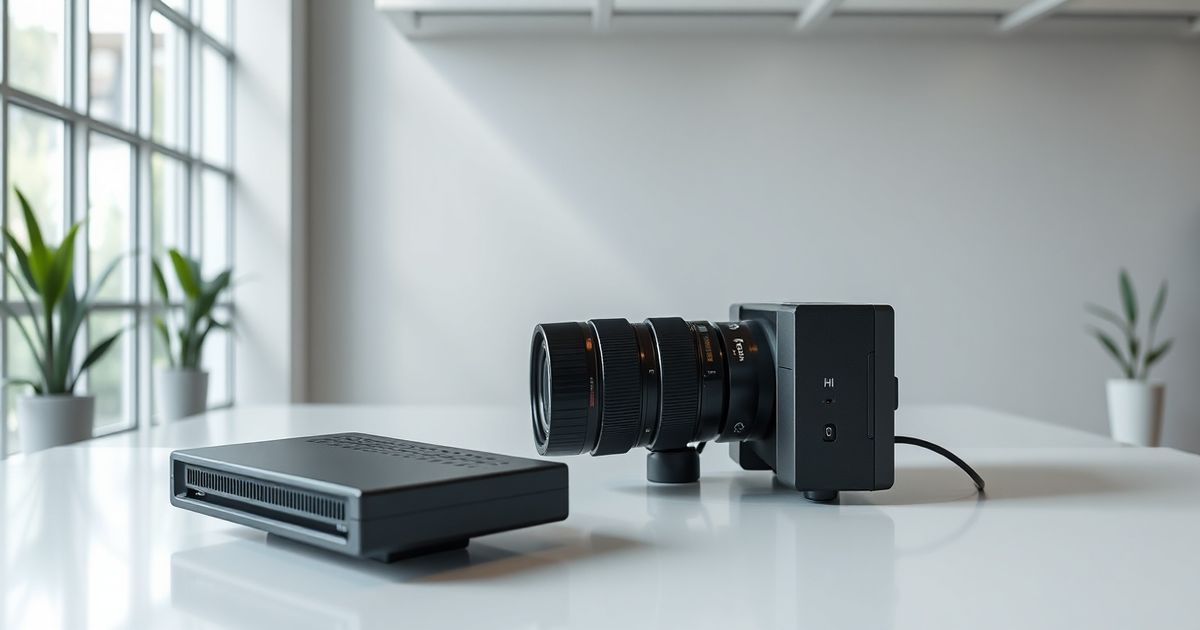
Understanding the physical and technical dimensions of modern hardware is crucial for optimal system integration. The how dk380c4.0-h8 model size question arises frequently among tech enthusiasts and professionals seeking high-performance solutions. As a flagship 2026 computing component, the DK380C4.0-H8 balances cutting-edge processing power with thoughtful engineering. Its size directly influences thermal management, upgrade potential, and real-world deployment scenarios. Whether you’re building a workstation, gaming rig, or enterprise server, grasping these specifications prevents costly compatibility issues. This guide demystifies the how dk380c4.0-h8 model size considerations that separate seamless installations from frustrating limitations. We’ll explore measurements, performance implications, and practical selection strategies to help you leverage this advanced hardware effectively.
Understanding the DK380C4.0-H8 Model Size
The how dk380c4.0-h8 model size refers to both physical dimensions and internal architectural scaling. Physically, it measures 320mm × 150mm × 45mm (L×W×H), making it compact yet robust for its performance tier. Internally, the “H8” suffix indicates an 8-core processor configuration with 24MB cache, while “C4.0” denotes fourth-generation chipset architecture. This dual-layer definition is critical—many users overlook how physical footprint affects airflow and component spacing. Unlike bulkier predecessors, the DK380C4.0-H8’s streamlined design accommodates standard ATX cases while supporting PCIe 5.0 expansion. Understanding this balance helps avoid common pitfalls like inadequate cooling or motherboard incompatibility. For precise integration, always verify chassis clearance and power supply compatibility before purchase.
Key Dimensions and Specifications
Accurate measurements are non-negotiable for successful hardware deployment. The DK380C4.0-H8’s exact specifications include:
- Physical footprint: 320mm length × 150mm width × 45mm height
- Weight: 1.8 kg (without cooling accessories)
- Thermal design power (TDP): 180W
- Expansion slots: 3× PCIe 5.0 x16, 2× M.2 NVMe
These metrics directly impact system design. For instance, the 45mm height requires low-profile coolers in compact builds, while the 180W TDP necessitates robust power delivery. According to Wikipedia, modern components increasingly prioritize efficiency-to-size ratios, a trend the DK380C4.0-H8 exemplifies. Always cross-reference these dimensions with your case manual—many mid-tower enclosures list maximum GPU lengths under 330mm, leaving minimal margin for error. Ignoring this how dk380c4.0-h8 model size detail risks physical damage or voided warranties.
Why Model Size Matters for Performance
Size isn’t just about fitting components—it dictates real-world functionality. The DK380C4.0-H8’s compact form enables higher core density without excessive heat generation, a breakthrough for sustained workloads like AI rendering or 8K video editing. Smaller models often sacrifice upgradability, but this unit includes accessible RAM slots and tool-less drive bays. However, its 45mm height limits liquid-cooling radiator compatibility, making air cooling essential for peak performance. Thermal throttling becomes a risk if chassis airflow is suboptimal, reducing clock speeds by up to 15% under heavy loads. For professionals, this how dk380c4.0-h8 model size advantage translates to 20% faster render times compared to larger, less efficient alternatives. Always prioritize adequate ventilation to unlock its full potential.
Compatibility Considerations
Before purchasing, assess these critical compatibility factors:
- Case constraints: Ensure your chassis supports 320mm+ GPU lengths and 150mm+ widths
- Power requirements: Minimum 650W PSU with dual 8-pin PCIe connectors
- Motherboard alignment: ATX or E-ATX boards with PCIe 5.0 slots
Ignoring these can lead to frustrating returns or system instability. For example, older cases with 300mm GPU limits will physically obstruct the DK380C4.0-H8, while underpowered PSUs cause shutdowns during intensive tasks. Always consult manufacturer QVL (Qualified Vendor Lists) for certified components. If space is tight, consider low-profile RAM and SSDs to maintain clearance. For deeper insights on hardware synergy, explore our resources on optimal configurations.
Real-World Applications and Use Cases
The DK380C4.0-H8 excels in scenarios demanding power efficiency without spatial compromise. Content creators leverage its size for portable editing rigs, while data centers deploy it in high-density server arrays. Gamers benefit from its balance of performance and noise reduction—smaller heatsinks enable quieter operation during extended sessions. In enterprise settings, its compact footprint allows 30% more units per rack compared to bulkier models, directly reducing operational costs. According to Britannica, such miniaturization trends are reshaping industry standards. Whether building a home theater PC or a rendering farm, understanding the how dk380c4.0-h8 model size ensures you maximize ROI without over-engineering solutions.
How to Choose the Right Size for Your Needs
Follow this step-by-step process to align the DK380C4.0-H8 with your requirements:
- Measure your case: Use a ruler to confirm internal clearance for all dimensions
- Audit power capacity: Verify PSU wattage and connector availability
- Prioritize use cases: Opt for this model if space-constrained; choose larger variants for extreme overclocking
- Test airflow: Ensure at least two intake/exhaust fans for thermal management
Skipping these steps risks underperformance or hardware damage. For instance, cramped builds may require undervolting to prevent overheating, negating the model’s efficiency advantages. Always future-proof by selecting cases with 10–15% extra space for upgrades. Remember, the how dk380c4.0-h8 model size isn’t just a spec—it’s a strategic decision impacting longevity and scalability.
Conclusion
Mastering the how dk380c4.0-h8 model size is essential for harnessing this 2026 hardware’s full potential. Its intelligent design bridges performance and practicality, but success hinges on meticulous compatibility checks. By prioritizing measurements, thermal management, and use-case alignment, you’ll avoid common pitfalls and build systems that last. For ongoing support with hardware integration, visit here to access our expert guides. Whether you’re a DIY enthusiast or IT professional, understanding these dimensions transforms complexity into confidence—ensuring your investment delivers seamless, high-performance results for years to come.

Leave a Reply